Neurolens: Play
The Play NeuroLens celebrates the transformative power of play as a state of joy, exploration, and creativity. Play fosters innovation, adaptability, and resilience while nurturing emotional and social connections. It invites individuals to engage with the world through curiosity and experimentation, breaking boundaries and reimagining possibilities.
-
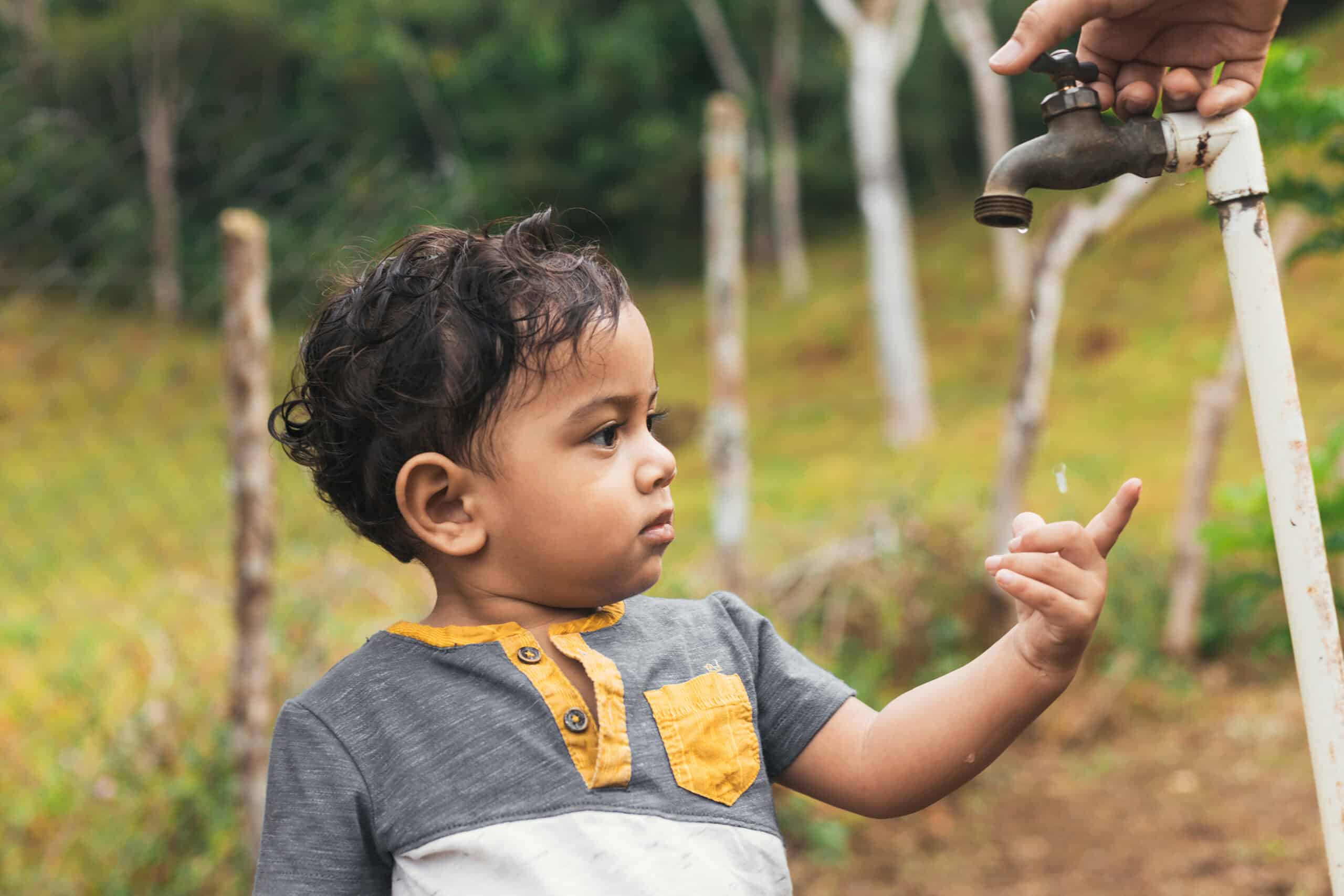
Wonder Starts in the Body: How Awe Moves Us—Literally
You know that feeling when something stops you in your tracks? A rainbow after the rain, a whale breaching, a song that gives you chills. That’s wonder. And while it may feel like magic, scientists are discovering that wonder isn’t just in our minds—it begins in our bodies and nervous system (1). Our eyes widen.…
-
Myths about creativity
Creativity is a very mysterious thing for lots of people. Myths usually rely on a grain of truth that gets twisted and taken out of a wider context. There are a lot of misconceptions about creativity still floating freely all over the world, which suggests that the scientific research we know on this subject has…
-

Why “Silly Words” Are Serious Business
Can nonsense words like “snizzlepop” actually build serious reading skills and brain power? You might think silly words are just for laughs—but research shows they’re essential tools for literacy, creativity, emotional connection, and brain development. From the mischievous “snickersnack” of the ‘Jabberwocky’ to phonics drills using words like “zeb”, “doth”, and “mig”, silly or nonsense…
-
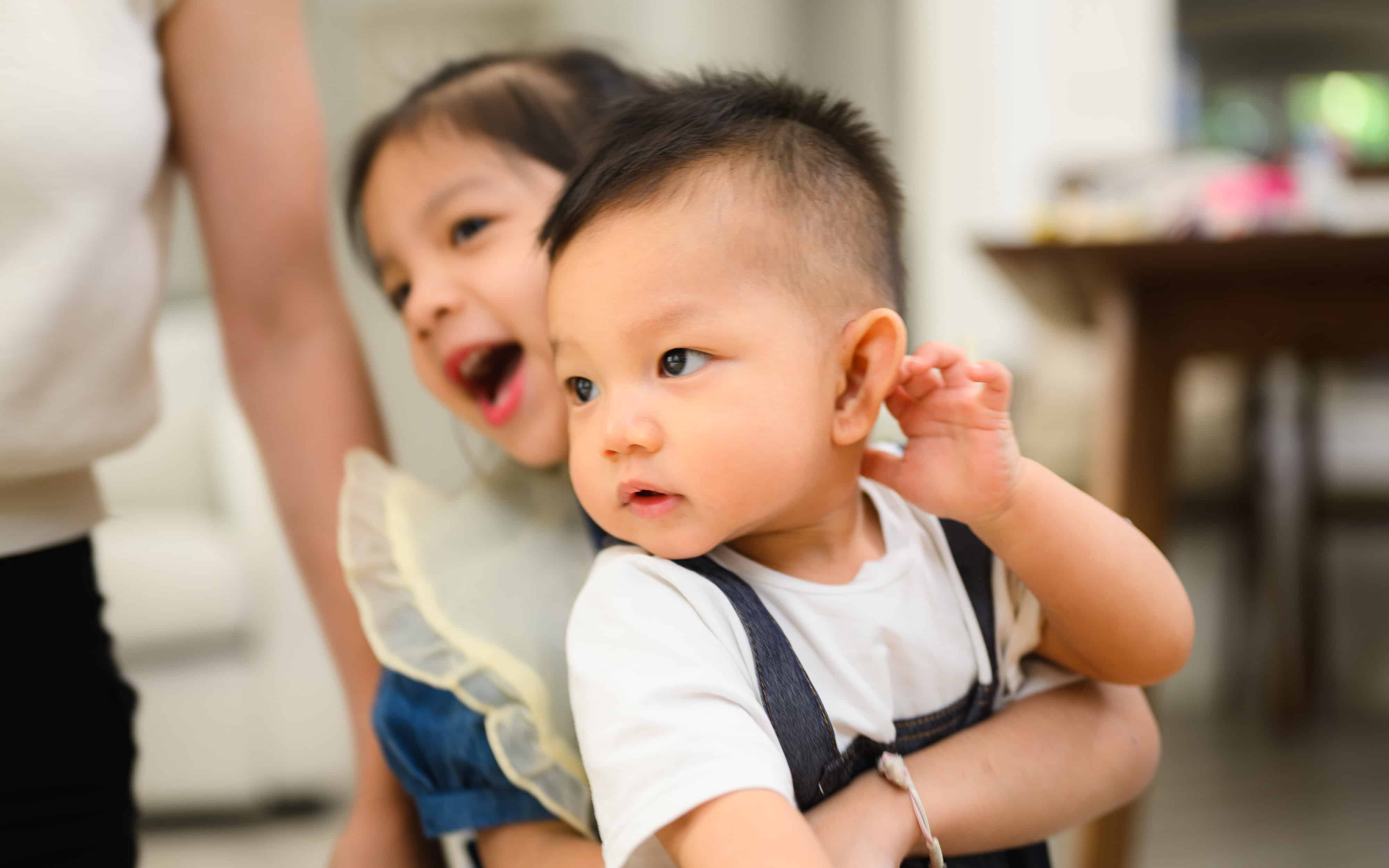
Babies’ speech relies on pitch and rhythm
Have you ever wondered how babies begin learning language before they even utter a word? Across all cultures, humans create both language and music — two universal systems built on rhythm and pitch. These shared features are essential building blocks for how babies begin to acquire language. This natural connection between language and music should…
-
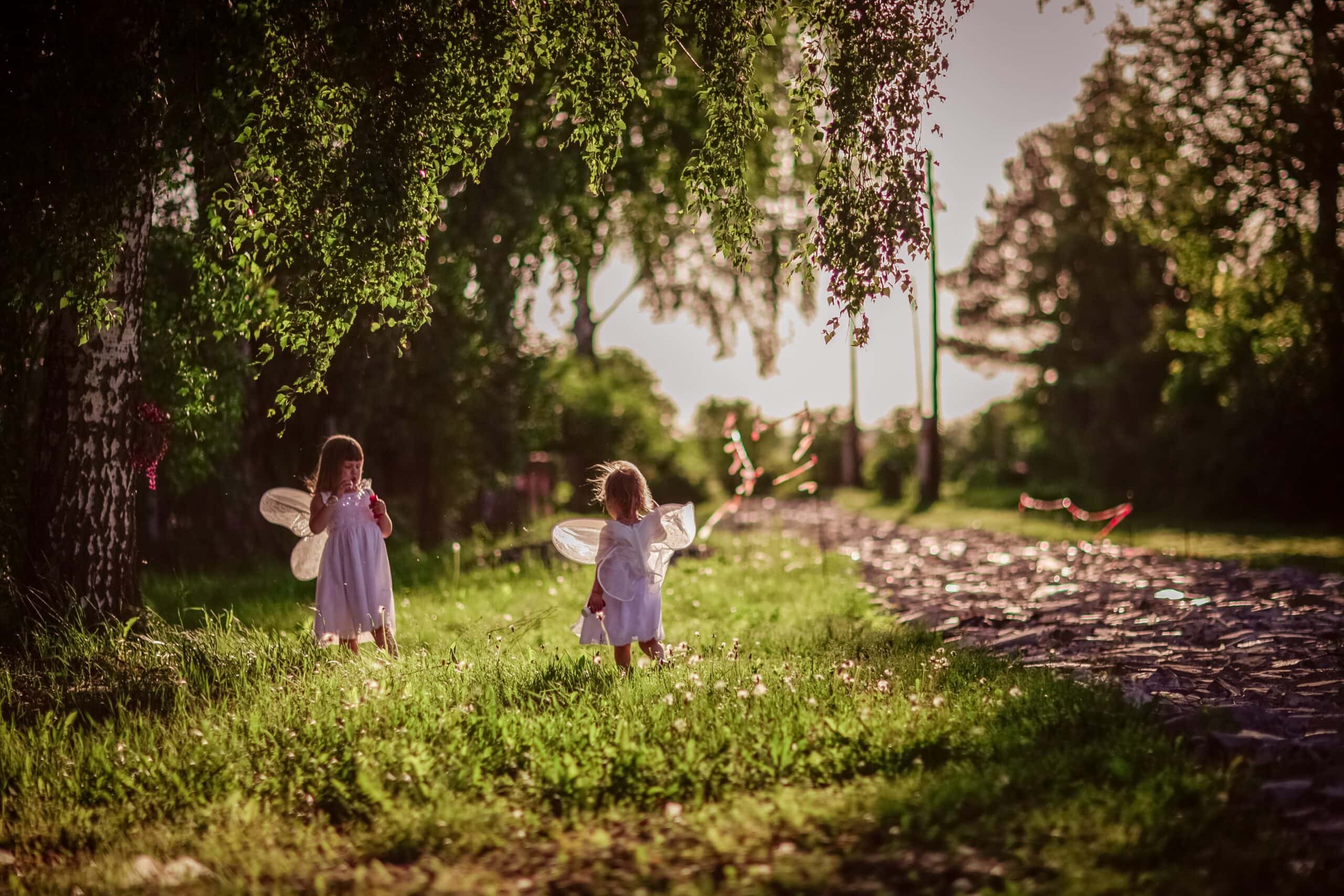
Dancing with Archetypes: Fairy Tales, Jung, and the Inner World of the Child
Do you remember the first story that truly moved you? Perhaps it was a dragon-guarded tower, a wise old owl, or a magical forest. Long before children can explain their feelings in words, they understand the world through stories and movement. Once upon a time, we all knew how to speak the language of symbols,…
-
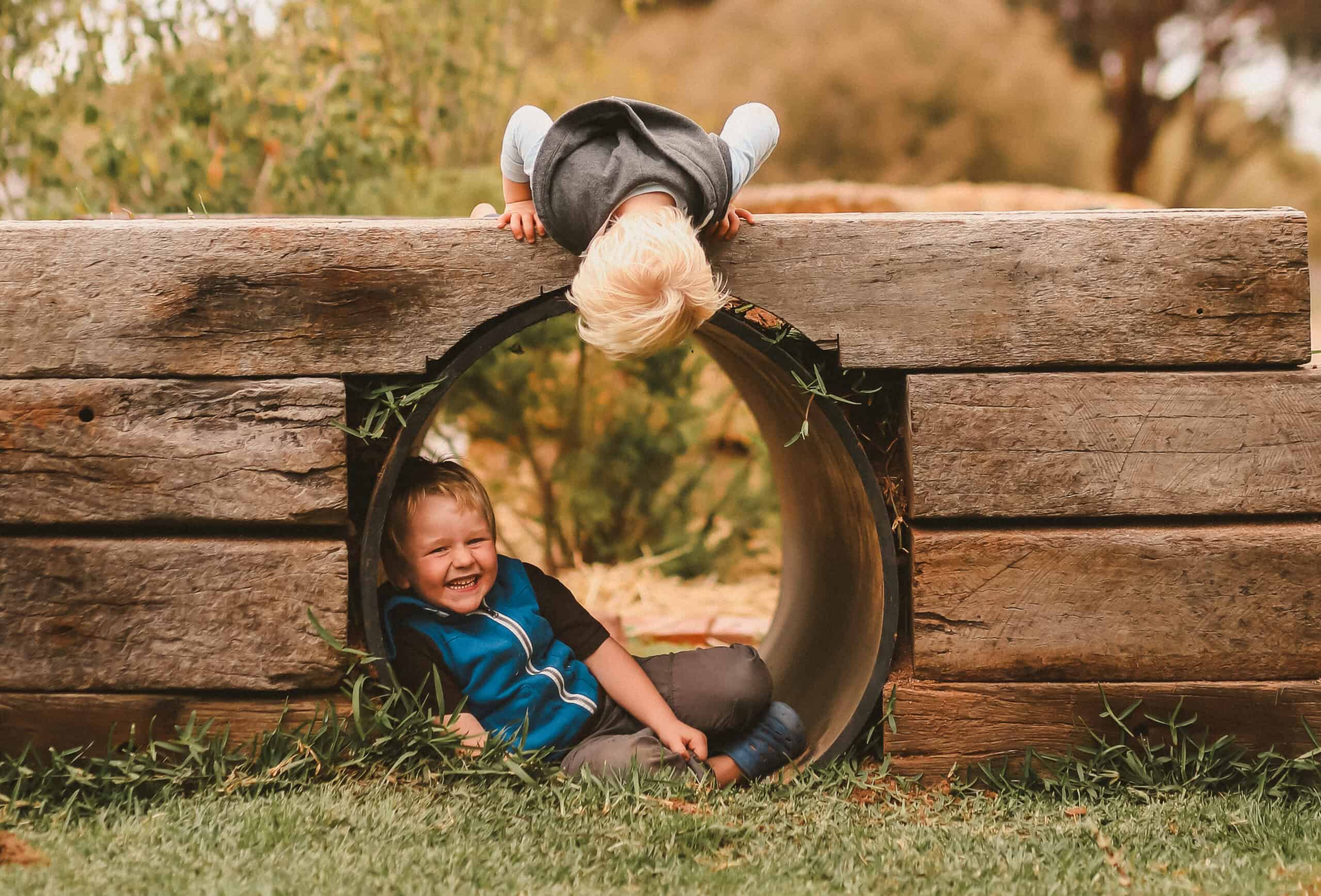
How Children Learn to Connect: The 6 Stages of Play
When is a game of blocks more than just fun? When Play Becomes the Most Powerful Teacher Play is a crucial part of child development and is best when it becomes a massive part of a child’s life. It contributes to cognitive, physical, social, and emotional development, sensory integration, language skills and interpersonal relationships, as…
-
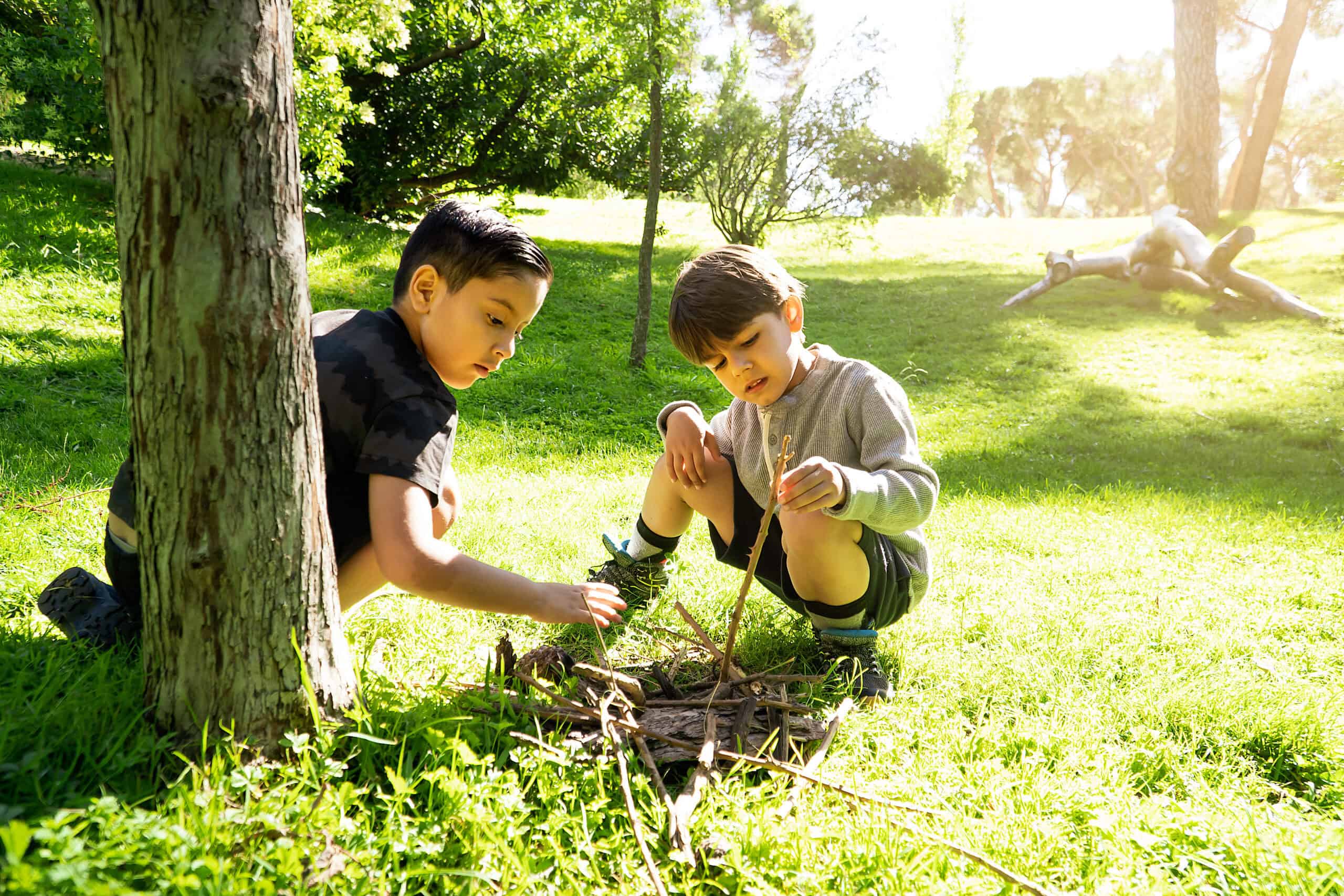
Building Better Brains: How Play Strengthens Executive Function in Children
Have you ever wondered why some kids seem more focused, organised, or able to stay calm under pressure? Executive functioning has become a popularised brain word. What exactly is executive functioning? It is the brain’s way of processing information while regulating the self. It involves our working memory, planning, self-monitoring, time management, self-control and organisation.…
-
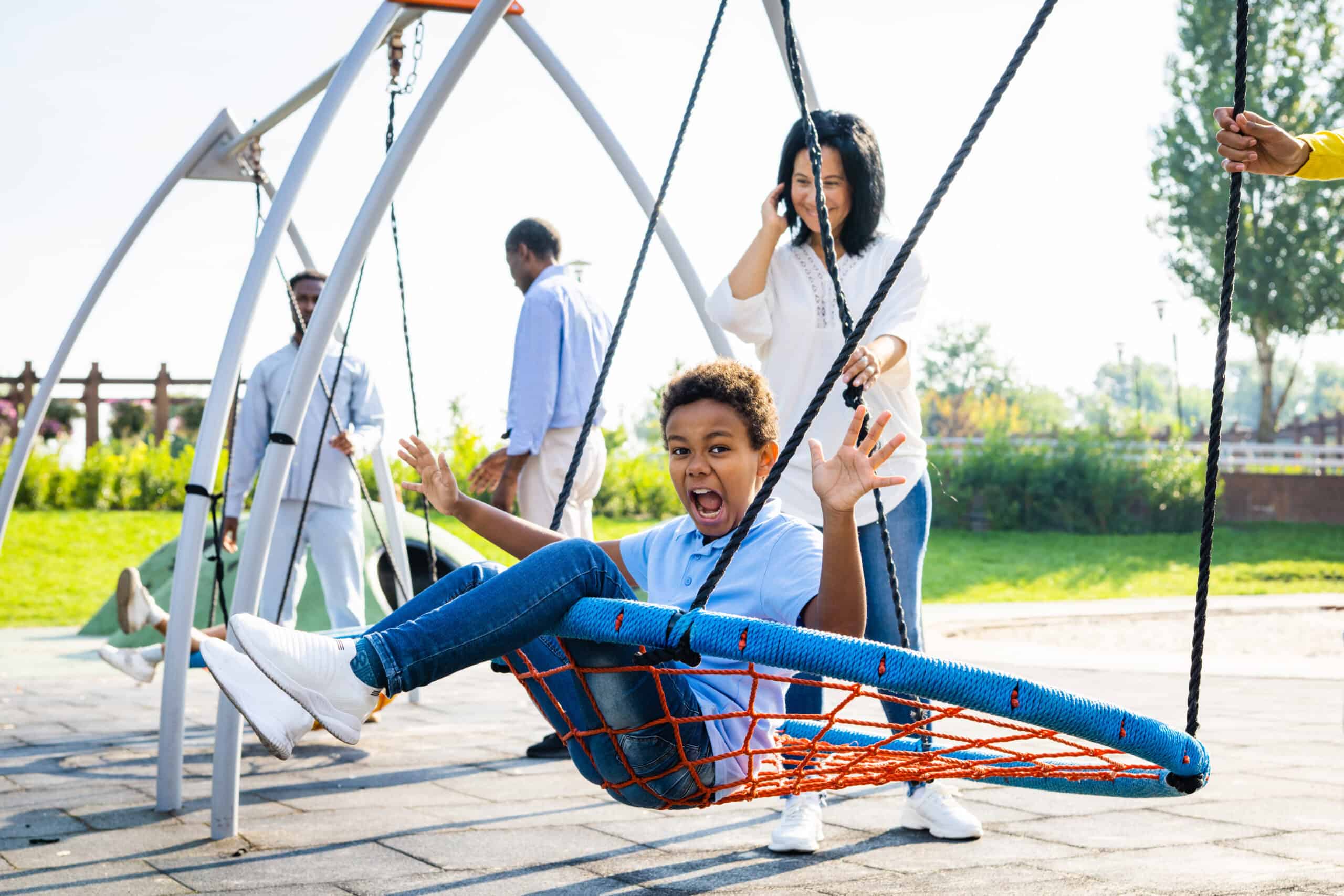
The Power of Play: How Different Types of Play Shape a Child’s Brain Development
Have you ever watched a child turn a stick into a sword or a pile of blocks into a castle? The Transformative Role of Play in Child Development When a child is moving around, playing, learning about themself and about the environment around them – they are building their brain’s infrastructure. It’s important to stimulate…
-
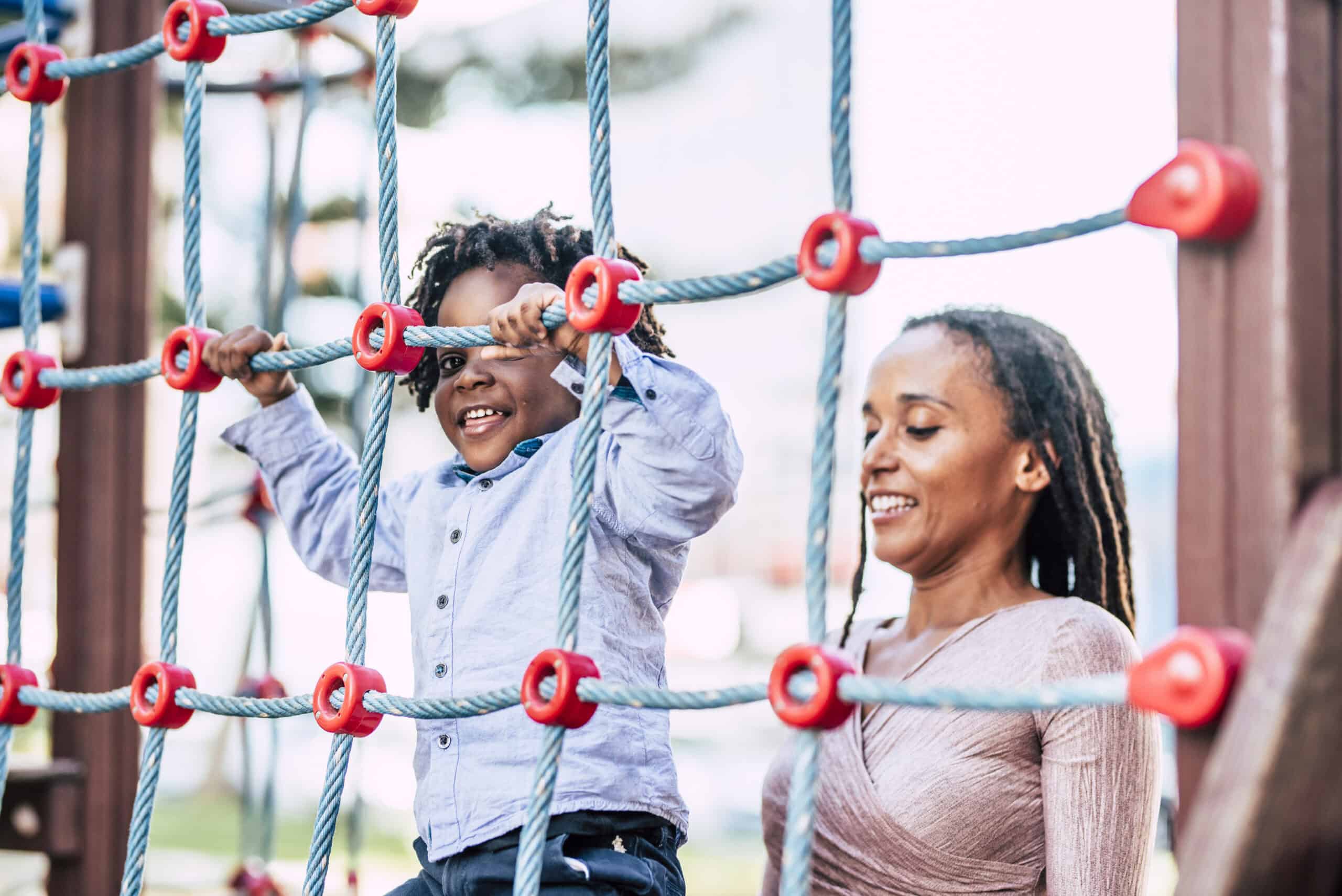
Tumble, Jump, Repeat: How Physical Play Fuels Brain Development and Resilience
Do you remember the joy of climbing trees, leaping across puddles, or play-wrestling with friends? When was the last time you saw a child roll down a grassy hill or leap across rocks in a stream? The Hidden Power of Play: More Than Just Fun These simple, spontaneous moments of physical play may seem like…
-
10 Strategies to Foster a Culture of Movement and Play in Families
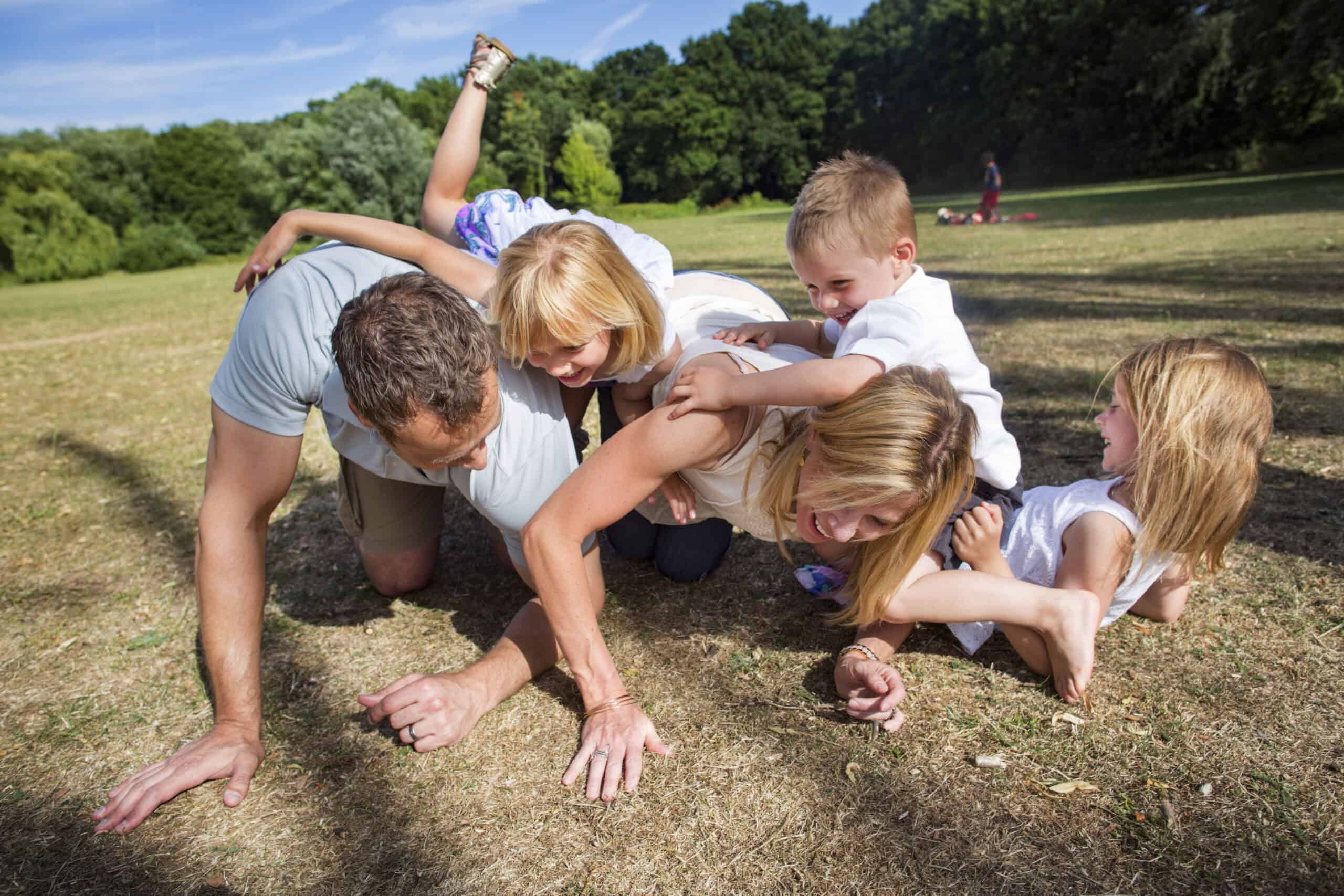
When was the last time your living room turned into a dance floor, or your hallway into a racetrack? Reclaiming Everyday Play: Where Movement Begins at Home Think back to your childhood – was there a hallway you turned into a racetrack, a patch of grass that became a soccer field, or a driveway stage…